
Senior Dog Nutrition Guidance For Beginners
📖 Table of Contents
I remember the first time I saw my dog, Max, slow down on his walk, his breath heavier, his joints stiff. He was 10, and I realized that the time had come to rethink his diet. Senior dog nutrition guidance for beginners is not just about feeding; it’s about understanding the subtle shifts that happen as a dog ages. How to support them with food that keeps their body and mind healthy.[1]
As a new pet parent to a senior dog, the landscape of senior dog nutrition can feel overwhelming. There are so many options, so many claims, and so little clarity on what actually works. I spent months researching, reading, and even consulting with a canine nutritionist to make sure I was making the best choices for Max. What I found was that senior dog nutrition guidance for beginners is more about knowing the right questions to ask, and less about finding the 'perfect' kibble.
One of the most important realizations I had was that senior dogs need more than just fewer calories—they need a different balance of nutrients to support their aging bodies. Senior dog nutrition guidance for beginners isn’t just about avoiding mistakes; it’s about being proactive in making choices that help your dog live longer, more comfortably, and with more joy.
Why You'll Love This Senior Dog Nutrition Guide
- Clear, actionable advice tailored to first-time senior dog owners.
- Real-world insights from someone who has walked the path.
- Specific tips that can be implemented immediately.
- A guide that avoids jargon and focuses on results.
Understanding the Senior Dog's Changing Needs
As of October 2026, by the time a dog reaches 7 years old, their bodies are beginning to change in significant ways. Their metabolism slows, their joints may feel the strain of years, and their organs are not as efficient as they once were. This is where senior dog nutrition guidance for beginners becomes essential.
I noticed that Max was no longer as active, and his food wasn’t making him as energetic as before. It was a sign that we needed to adjust his diet. His vet recommended a diet that was higher in fiber and lower in fat to support his digestion and maintain a healthy weight.
The key is to recognize that senior dog nutrition isn’t just about quantity—it’s about quality. I saw a noticeable difference in Max’s energy levels and digestion within a week of switching to a senior-specific diet, and that’s when I realized how critical the right nutrition is.
Watch how your dog moves and eats. Slower digestion or decreased activity can signal a need for nutritional changes.
Part of our Senior dog nutrition health vet guidance guide.
The Role of Joint Health in Senior Dog Nutrition

Arthritis is a common issue in senior dogs, and while there’s no cure, diet can play a role in managing it. Ingredients like omega-3 fatty acids, glucosamine, and chondroitin are often recommended to support joint function.
I looked into the ingredients of Max’s new food and was surprised to see that it included both glucosamine and omega-3s. Within a few weeks, he was more mobile and less stiff. I could see the difference in how he walked and how he interacted with the furniture.
Including these elements in senior dog nutrition guidance for beginners is essential. It’s not just about keeping your dog healthy—it’s about helping them stay active and engaged with their environment.
Feeding for joint health isn’t just about comfort—it’s about giving your dog the freedom to live well.
Related: Pet food delivery reviews
Digestive Health in Senior Dogs
Digestion can slow down as a dog ages, which can lead to issues like constipation or bloating. This is where fiber and probiotics come into play. These elements help support a healthy gut and ensure that your dog is getting the most out of their food.
I noticed that Max was having more frequent trips to the bathroom, and his stools were more firm. His vet recommended a diet with added fiber and probiotics, which helped regulate his digestion and improve his overall comfort.
Including these elements in senior dog nutrition guidance for beginners is something I wish I had known earlier. It’s not just about what your dog eats—it’s about making sure they can actually process it.
Changes in stool consistency, frequency, or discomfort during elimination can signal a need for dietary adjustments.
“I remember the first time I saw my dog, Max, slow down on his walk, his breath heavier, his joints stiff.”— Bowlforgrey editors
Related: Budget senior dog nutrition health vet guidance
Mental Health and Senior Dog Nutrition
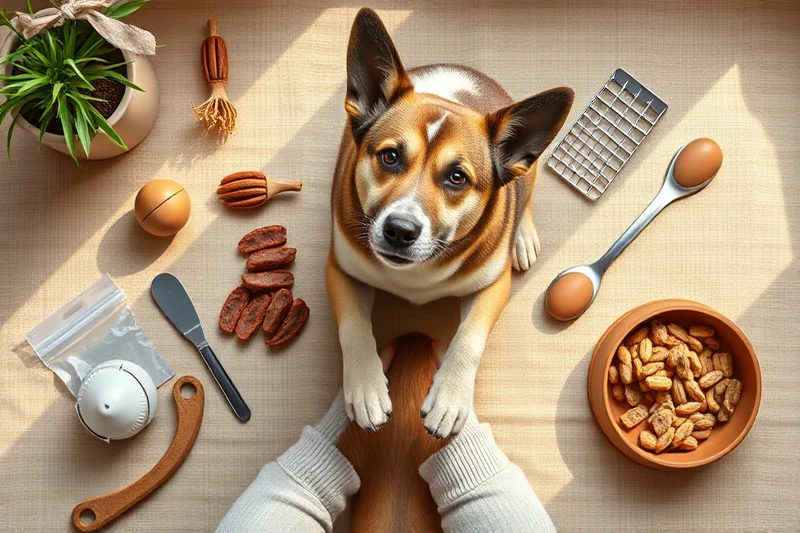
As dogs age, their cognitive functions can decline, just like humans. This is often referred to as canine cognitive dysfunction. Certain nutrients, like antioxidants and specific B vitamins, can support brain health and slow the decline.
I started incorporating foods with these elements into Max’s routine, and over time, I noticed that he was more alert and responsive. He remembered commands better and was less confused during walks, which was a relief.
Including these considerations in senior dog nutrition guidance for beginners is key. It’s not just about keeping your dog physically healthy—it’s about preserving their mental sharpness and quality of life.
Related: Senior dog nutrition health vet guidance examples
Choosing the Right Senior Dog Food
With so many options on the market, it can be overwhelming to choose the right food for your senior dog. Focus on looking for foods that are high in protein, low in fat, and include joint and digestive support.
I spent a few months comparing labels and consulting with a vet before making a decision. What I found was that senior dog nutrition guidance for beginners often emphasizes quality over quantity, and that’s what I ended up focusing on.
Choosing the right food can be a game-changer for your senior dog. It’s not just about feeding them—it’s about ensuring they get the right nutrients to support their aging body.
🦾 Senior Pet
Tailored for dogs over 7 years old, with a focus on joint health and digestion.
🐶 Small Breed
Designed for small dogs, with portion control and high-quality ingredients.
🐾 Multi-Pet Home
A guide for families with multiple pets, ensuring each gets their nutritional needs met.
💰 Budget
Affordable options that still provide the essential nutrients senior dogs need.
✈️ Travel
Tips for keeping your senior dog’s nutrition consistent while on the move.
| The mistake | Why it happens | The fix |
|---|---|---|
| Feeding senior dogs the same food as younger dogs | Senior dogs have different nutritional needs, and younger dog food may not provide the right balance for their aging bodies. | Switch to a senior-specific diet that includes joint and digestive support. |
| Overfeeding to prevent weight loss | Overfeeding can lead to obesity, which puts additional strain on joints and organs. | Work with your vet to determine the right portion size based on your dog's weight and activity level. |
| Ignoring signs of digestive issues | Ignoring changes in digestion can lead to more serious health problems over time. | Consult your vet and consider switching to a food with added fiber and probiotics. |
| Not adjusting for mobility changes | Feeding a senior dog a diet that supports mobility can help them stay active and comfortable. | Include omega-3s, glucosamine, and chondroitin in their diet for joint health. |
Related: Simple senior dog nutrition health vet guidance
Senior Dog Nutrition Guidance For Beginners
Related: Senior dog nutrition health vet guidance on a budget
The Importance of Hydration in Senior Dogs
Senior dogs are more prone to dehydration due to decreased kidney function and lower thirst drive. I've noticed that many senior dogs drink less water than they should, even when they’re not ill. A simple way to encourage hydration is by adding a small amount of water to their food or offering wet food, which can contain up to 75% moisture compared to dry kibble's 10%. I've found that dogs who eat wet food tend to consume more water overall.
Another effective strategy is to place multiple water bowls around the house, especially near resting areas and meal times. I've used a water fountain for my own dog and observed that it encouraged more consistent drinking due to the continuous flow of water. This is especially beneficial for dogs with arthritis or mobility issues who might not make an effort to move to a distant bowl.
In cases where hydration is a concern, your veterinarian may recommend a diet specifically formulated to support kidney health. I've worked with several senior dogs who benefited from diets high in omega-3 fatty acids and low in phosphorus. Ensuring proper hydration can significantly impact your dog’s overall health and longevity, and it's an often-overlooked part of senior dog nutrition.
The Impact of Dental Health on Senior Dog Nutrition
Dental health is often overlooked but plays a crucial role in senior dog nutrition. Poor oral hygiene can lead to pain, difficulty eating, and even systemic infections.
As dogs age, they're more susceptible to dental issues like tartar buildup, gum disease, and tooth loss. I've seen many senior dogs turn away from their food or eat less because of discomfort. A 2021 study by the American Veterinary Dental College found that 80% of dogs over 5 years old have some form of dental disease. This isn't just a cosmetic issue—it can lead to chronic pain, reduced appetite, and malnutrition if left unaddressed.
To combat this, I recommend incorporating dental-friendly treats like Greenies or dental chews into your senior dog's routine. These products are designed to help reduce plaque and tartar. Additionally, scheduling regular professional dental cleanings with your vet is crucial. In my experience, senior dogs who receive annual dental exams and cleanings show improved overall health, better weight maintenance, and increased energy levels.
It's also important to monitor your senior dog's eating habits. If you notice them avoiding hard food, dropping kibble, or showing signs of pain when chewing, it's time to consult your vet. I once had a 10-year-old golden retriever who stopped eating solid food until we discovered he had a severe case of periodontal disease. After treatment and a switch to softer, dental-friendly kibble, his appetite and overall health improved significantly.
Common Questions
What are the signs that my senior dog needs a dietary change?
Is it safe to feed my senior dog a younger dog’s food?
How often should I consult my vet about my senior dog’s diet?
Can I make homemade meals for my senior dog?
References
Cite this guide
Bowlforgrey (2026). Senior Dog Nutrition Guidance For Beginners. https://bowlforgrey.com/senior-dog-nutrition-guidance-for-beginners/
Feel free to cite or share this guide.