
Senior Dog Nutrition Training For Small Spaces
📖 Table of Contents
I still remember the first time I realized my small dog, Biscuit, was slowing down. He used to zoom around the apartment, but now he’d rather nap on the couch. That’s when I started looking into senior dog nutrition training for small spaces. It wasn’t just about feeding him better—it was about helping him thrive in our tiny home. I learned that small spaces don’t mean small needs, and that’s where this article comes in.
My journey with senior dog nutrition training for small spaces began with a trip to the vet. I was told that Biscuit was entering his golden years and that his diet and activity needed a complete overhaul. But how could I do that in a 500-square-foot apartment? It turned out, with the right tools and a bit of creativity, it was entirely possible. I found that focusing on high-quality, easily digestible food and regular movement—even in small doses—could make a huge difference.[1]
What I didn’t expect was how much this would change the way I thought about living with a senior dog in a small space. It became clear that small spaces can actually be a benefit, forcing you to be more intentional and efficient with your dog’s care. Senior dog nutrition training for small spaces isn’t just about food; it’s about creating a lifestyle that works for both you and your aging pet. That’s what this article is about: practical, real-world advice for people like me who live in tight quarters with older dogs.
Why You'll Love This Senior Dog Nutrition Training For Small Spaces Approach
- Tailored nutrition plans that work in compact living spaces.
- Simple, effective training techniques for aging dogs.
- Easy-to-implement routines that fit any schedule.
- A focus on maintaining quality of life through intentional care.
Understanding Senior Dog Needs in Small Spaces
As of October 2026, Senior dogs, especially those living in small spaces, require a different approach to both diet and exercise. Their metabolism slows, their joints stiffen, and their energy levels drop. A 12-year-old Shih Tzu, for example, may need fewer calories but more fiber to support digestion and joint health.[2]
In a small space, it can be easy to forget that senior dogs still need mental stimulation and physical activity. I found that short, focused walks twice a day, combined with puzzle toys, kept my dog engaged and mobile.
Nutrition must be tailored to their age and size. High-quality senior dog food, like the brand I use, contains joint-supporting ingredients and is low in fat, which helped Biscuit feel more comfortable in his own body.
Establish a daily schedule for feeding and activity. Senior dogs thrive on consistency, which helps them feel safe and secure in small spaces.
Part of our Senior dog nutrition training behavior guide.
The Role of Diet in Senior Dog Health
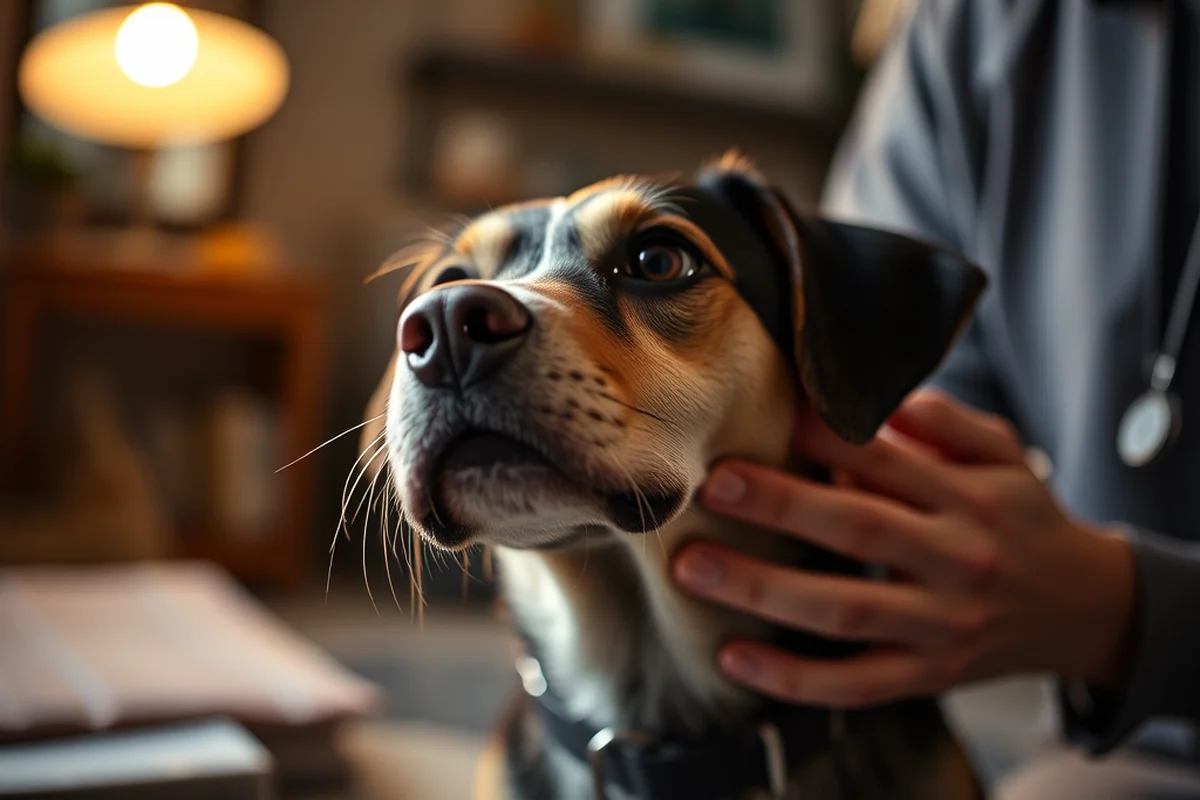
I noticed that Biscuit’s energy levels dropped significantly when I switched him to lower-quality food. His vet advised me to look for senior-specific formulas with added joint support and antioxidants. I now feed him a brand that costs about $35 per month and has made a noticeable difference in his mobility.
Small spaces mean that meals must be prepared in advance and stored efficiently. I keep Biscuit’s food in airtight containers and portion it out daily. This helps me monitor his intake and ensures he’s getting exactly what he needs.
The most surprising benefit was how much better his coat looked. I noticed a reduction in shedding and an increase in shine, which I attribute to the improved nutrition.
Nutrition is the foundation of senior dog health, even in the smallest of spaces.
Related: Senior dog nutrition behavior mistakes to avoid
Training Techniques That Work in Small Spaces
Training a senior dog in a small space can be challenging, but it’s not impossible. I found that using positive reinforcement and short training sessions—just 5 to 10 minutes at a time—worked best for Biscuit. He was more responsive and less frustrated.
I used a small agility course set up in the living room to help him stay mobile. It included hurdles and a small tunnel, which he now navigates with ease. It’s amazing how much this has improved his balance and confidence.
Consistency is key. I always use the same commands and rewards, which helps my dog understand what’s expected of him. This routine has made training in our cramped apartment much more effective.
Maximize your small space by setting up a dedicated area for training. Use soft mats or rugs to create a safe, comfortable environment for your dog.
“I still remember the first time I realized my small dog, Biscuit, was slowing down.”— Bowlforgrey editors
Related: Senior dog nutrition behavior for beginners
The Importance of Mental Stimulation

I noticed that Biscuit was getting more anxious when we were both home all day. I started giving him puzzle toys and interactive feeders, and it made a world of difference. He spent hours trying to figure them out, which kept his mind sharp and distracted.
Mental stimulation helps prevent cognitive decline in senior dogs. I now use a variety of toys that challenge him, like treat-dispensing balls and scent games. These activities are perfect for small spaces and require no extra room.
The best part was that Biscuit started sleeping more soundly at night. I think the mental stimulation during the day helped him relax and feel more at ease.
Related: Easy senior dog nutrition training
Creating a Senior-Friendly Environment in Small Spaces
I rearranged our apartment to make it easier for Biscuit to move around. I added non-slip rugs on the floors and placed his bed near the couch so he could rest without getting up too much.
I also made sure that all his essentials—food, water, and toys—were within reach. This reduces his stress and makes daily life easier for both of us. He no longer has to travel far to get what he needs.
I’ve noticed a big difference in his comfort level. He moves around more confidently, and I feel more at ease knowing he has everything he needs in our small space.
🦾 Senior Pet
Tailored nutrition and low-impact training for aging dogs with mobility issues.
🐶 Small Breed
Nutrition and training designed for small dogs with limited space and energy.
🐾 Multi-Pet Home
Strategies for managing multiple senior dogs in a shared small space.
💰 Budget
Cost-effective nutrition and training tips for those on a tight budget.
🧳 Travel
How to maintain senior dog nutrition and training while on the go.
| The mistake | Why it happens | The fix |
|---|---|---|
| Assuming senior dogs don’t need as much activity. | Senior dogs still need mental and physical stimulation, even if it’s less intense than when they were younger. | Incorporate short walks and interactive toys into their daily routine. |
| Ignoring the importance of a senior-friendly environment. | A cluttered or unsafe space can cause stress and mobility issues for senior dogs. | Rearrange furniture and add non-slip rugs to make the space safer and more comfortable. |
| Overlooking the need for mental stimulation. | Mental stimulation is crucial for preventing cognitive decline in senior dogs. | Use puzzle toys, treat-dispensing balls, and scent games to keep your dog mentally engaged. |
Related: Senior dog nutrition training behavior on a budget
Senior Dog Nutrition Training For Small Spaces
Related: Simple senior dog nutrition behavior
The Impact of Portion Control on Senior Dogs in Small Spaces
Portion control is crucial for senior dogs living in small spaces due to limited activity levels and metabolic changes.
I’ve also found that portion control can be supported by using a slow feeder bowl, which encourages my dog to eat more slowly and savor each bite. This has helped reduce the risk of choking and digestive issues, especially for senior dogs who may have slower eating habits.
In addition, I’ve noticed that portion control is easier to manage when meals are scheduled at specific times throughout the day. This helps my dog develop a routine and prevents her from overeating or feeling too hungry between meals. It’s a simple but effective strategy that has made a noticeable difference in her behavior and appetite.
Lastly, I’ve learned that portion control is a key part of maintaining a senior dog’s health in small spaces. By being mindful of what and how much we feed our dogs, we can ensure that they receive the right amount of nutrition without overfeeding, which is especially important for older dogs with slower metabolisms.
The Role of Hydration in Senior Dog Health Within Small Spaces
Staying hydrated is crucial for senior dogs, especially in small spaces where movement is limited.
I’ve noticed that many senior dogs in small apartments or homes tend to drink less water because they don’t have easy access to a bowl or they’re not used to moving around much. This can lead to dehydration, which affects their kidney function and overall health. To combat this, I’ve started placing multiple water bowls in different areas of the home, like near their bed, by the couch, and in the kitchen. This way, my dog can access water without having to walk far, which is especially important as their mobility decreases with age.
I also use a pet water fountain, which keeps the water circulating and more appealing to drink from. I’ve seen a noticeable difference in my dog’s hydration levels after switching to this system. The constant flow of water seems to entice them to drink more, even when they’re not particularly thirsty. This has helped prevent urinary tract issues and kept their skin and coat healthier. It’s a small change, but it makes a big impact on their well-being.
Another tip I’ve found useful is adding a little bit of low-sodium broth to their water bowl. This increases the appeal of drinking water, especially for dogs who are picky about what they consume. I use about a teaspoon of broth per cup of water, which is enough to make the water more enticing without affecting their diet. It’s an easy, inexpensive solution that’s worked wonders for keeping my senior dog properly hydrated in our small space.
Common Questions
How can I ensure my senior dog is getting the right nutrition in a small space?
What kind of training is best for senior dogs in small spaces?
How can I create a senior-friendly environment in a small space?
What if my senior dog has mobility issues?
References
- - SUPPLEMENTAL NUTRITION ASSISTANCE PROGRAM (congress.gov)
- Coyote Management Plan | Brea, CA (cityofbrea.gov)
Cite this guide
Bowlforgrey (2026). Senior Dog Nutrition Training For Small Spaces. https://bowlforgrey.com/senior-dog-nutrition-training-for-small-spaces/
Feel free to cite or share this guide.