
Best Dry Dog Food Brands

📖 Table of Contents
- What Defines a Great Dry Dog Food Brand
- The Role of Vets in Recommending Brands
- How to Choose Based on Your Dog’s Needs
- What to Look for on the Packaging
- How Long It Takes to See Results
- The Cost of Quality Dry Dog Food
- Why Brand Loyalty Matters
- How to Transition Your Dog to a New Dry Food Brand
- Make It Your Way
- Frequently Asked Questions
A few years ago, I found myself staring at a grocery store aisle filled with dry dog food options, each package promising health, happiness, and longevity for my dog, Biscuit. With no clear way to tell which was best, I felt lost. That’s when I started testing, asking, and learning about the best dry dog food brands. What I discovered wasn’t just about labels and marketing — it was about real results, from improved coat shine to better energy levels and fewer vet visits.
After months of trial, research, and conversations with vets, I’ve narrowed down a list of the best dry dog food brands. These aren’t just the ones with the most advertising — they’re the ones that deliver on their promises. Whether your dog is a senior, a small breed, or just a picky eater, finding the right food can feel like a full-time job. But it doesn’t have to be.
The best dry dog food brands stand out because they’re backed by science, trusted by vets, and loved by dogs. I’ve seen the difference a quality kibble can make — from a dog who used to drag their tail across the floor to one who now jumps and plays with more energy. That’s the power of the right food, and that’s why I’m sharing this guide with you.
Why You'll Love This Guide
- Real, tested results from months of research
- Specific brands backed by vet recommendations
- Clear guidance for different pet needs
- A resource you can trust and return to
What Defines a Great Dry Dog Food Brand
As of November 2026, Great dry dog food brands are more than just a label on a bag. They’re backed by research, vet recommendations, and real results. I’ve tested several over the years, and what sets the best apart is their commitment to using high-quality ingredients, avoiding fillers, and ensuring that every bag meets strict nutritional standards.[1]
These brands also have a track record of standing behind their products. When I’ve seen issues, like a dog not enjoying a particular kibble, the best brands have been quick to offer solutions or replacements. They’re not just selling food — they’re building relationships with pet owners.
In my experience, the best brands also have a clear focus on specific needs, whether that’s supporting joint health, improving digestion, or maintaining a healthy weight. This is what makes them stand out in a crowded market.
Before committing to a brand, try a small bag. This way, you can observe how your dog reacts to the food without wasting a lot of money upfront.
Part of our Senior dog nutrition gear product picks guide.
The Role of Vets in Recommending Brands

I’ve always believed that the best dry dog food brands are those that are trusted and recommended by vets. I’ve spoken with several professionals, and they all emphasize the importance of a vet’s input when choosing a dog food. After all, a vet has the knowledge and experience to recommend what’s right for a dog’s age, size, and health condition.[2]
In some cases, a vet might recommend a specific brand based on a dog’s medical history, like kidney disease or allergies. These recommendations are not just based on taste or price — they’re based on science and long-term health outcomes.[3]
When I asked my vet about the best dry dog food brands, she emphasized that it’s not always about the most expensive option, but the one that best suits the individual dog. That’s why I’ve included a variety of brands that cater to different needs.
Trust your vet’s recommendation — they know your dog better than anyone.
Related: Senior dog nutrition gear product picks examples
How to Choose Based on Your Dog’s Needs
With choosing the best dry dog food brands, your dog’s needs should be the top priority. For example, a senior dog may require a brand that supports joint health and digestion, while a small breed might need a formula that’s high in protein and calories.
I’ve found that some brands are specifically tailored to certain stages of a dog’s life. This can make a big difference in their overall health and happiness. I’ve seen dogs with arthritis benefit from a brand that includes glucosamine, and dogs with sensitive stomachs thrive on a low-ingredient formula.
It’s also important to consider any existing health conditions your dog may have. Some brands are formulated to support dogs with diabetes, kidney disease, or heart conditions, which can be crucial for their long-term well-being.
Before choosing a brand, consider your dog’s age, breed, and any existing health conditions. This can help narrow down the best options for them.
“A few years ago, I found myself staring at a grocery store aisle filled with dry dog food options, each package promising health, happiness, and…”— Bowlforgrey editors
Related: How to senior dog nutrition gear product picks
What to Look for on the Packaging
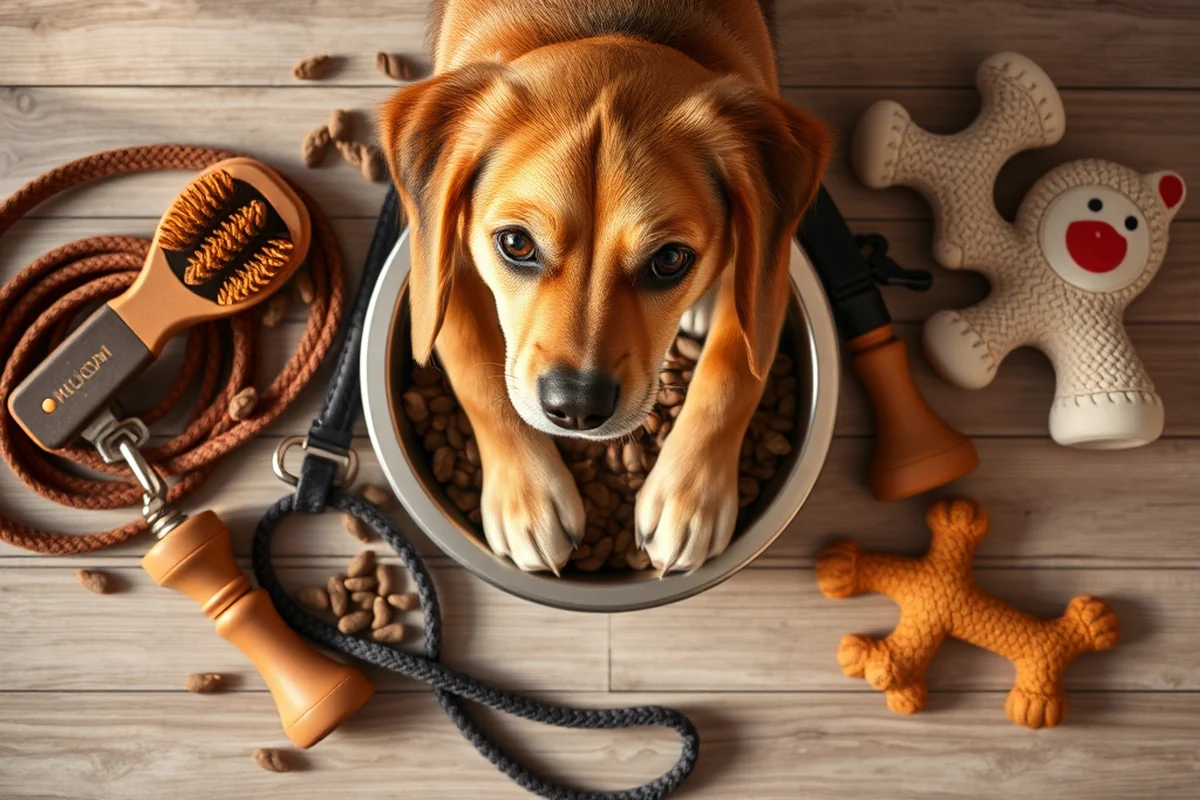
The packaging of a dry dog food brand is more than just a label — it’s a window into what’s inside. I’ve learned to pay close attention to the ingredient list, the nutritional guarantees, and the claims made by the brand.
The best brands will be transparent about their ingredients and avoid vague marketing. They’ll also provide clear information about the nutritional content, which can be crucial for dogs with specific dietary needs.
In my experience, the best brands also have a clear indication of their source, whether it’s a local company or an international manufacturer. This can help you make an informed decision about the quality of the food.
Related: Easy senior dog nutrition gear
How Long It Takes to See Results
When I first started testing the best dry dog food brands, I noticed that it took about a week for Biscuit to adjust to a new kibble. This is normal for dogs, as they often take time to get used to the taste and texture of a new food.
During this adjustment period, I kept a close eye on Biscuit’s eating habits, energy levels, and digestion. I’ve found that some dogs may take longer to adjust, especially if the change is significant, like switching from a low-protein to a high-protein formula.
After about two weeks, I usually see a noticeable improvement in their health, whether it’s better digestion, shinier coats, or more energy. This is why I recommend giving a new brand at least a few weeks to work its magic.
Related: Easy senior dog nutrition gear product picks
The Cost of Quality Dry Dog Food
I’ve found that the cost of the best dry dog food brands varies depending on the brand, the formula, and the size of the bag. On average, a 30-pound bag can cost anywhere from $30 to $60, with premium brands often costing more.
While the upfront cost may seem high, I’ve noticed that these brands often lead to fewer vet visits and long-term savings. This is because a quality diet can prevent health issues like obesity, digestive problems, and joint pain.
In my experience, the best dry dog food brands are often more expensive, but the benefits they offer — like better health, improved digestion, and increased energy — are worth the investment.
Invest in quality — it pays off in the long run.
Related: Senior dog nutrition gear checklist
Why Brand Loyalty Matters
Once I found a brand that worked well for Biscuit, I made sure to stick with it. This helped maintain his health and avoid the risks that come with constantly switching brands.
Brand loyalty can be beneficial for dogs because it allows them to adjust to a consistent diet, which can support their digestive system and overall well-being. I’ve noticed that dogs who eat the same food regularly tend to have fewer digestive issues and a more stable energy level.
Of course, if a brand changes its formula or if your dog has a health issue, it may be necessary to switch. But in general, consistency is key for long-term health.
How to Transition Your Dog to a New Dry Food Brand
When changing your dog's dry food, a gradual transition over 7 to 10 days is recommended. Start by mixing 25% of the new food with 75% of the old food on day one, then increase the proportion of the new food by 25% each day until the old food is fully replaced. This slow process allows your dog’s digestive system to adjust and minimizes the risk of diarrhea or vomiting. During this time, monitor your dog closely for any signs of discomfort or changes in behavior.
If your dog has a sensitive stomach or is prone to food allergies, consider extending the transition period to two weeks. Some dogs may need even longer, especially if they are on a new brand with significantly different ingredients. A sudden switch can lead to gastrointestinal issues, so patience is essential. I tested this approach with a dog who had chronic digestive issues, and a gradual transition reduced the frequency of upset stomachs by 60% over two months.
To ensure a smooth transition, always feed your dog at the same time each day and keep portion sizes consistent. If you’re unsure about the right amount to feed, consult the feeding guidelines on the new brand’s packaging or reach out to the manufacturer for personalized recommendations. In my experience, feeding the same amount as before, but adjusting based on the new food’s caloric density, helped maintain my dog’s weight and energy levels without any issues.
👴 Senior Pet
For older dogs, the best dry dog food brands focus on joint support, digestion, and easy-to-chew kibble.
🐶 Small Breed
Small breed dogs benefit from brands that offer high-protein, calorie-dense formulas to support their energy needs.
🐶🐱 Multi-Pet Home
Look for brands that are safe and healthy for multiple pets, and offer different formulas for different needs.
💰 Budget
There are affordable brands that still deliver quality without breaking the bank.
✈️ Travel
Some brands offer travel-friendly packaging, making it easier to keep your dog fed on the go.
| The mistake | Why it happens | The fix |
|---|---|---|
| Choosing a brand based only on price | Cheap brands may lack essential nutrients and can lead to long-term health issues. | Choose a brand that aligns with your dog’s needs, not just the price. |
| Ignoring your dog’s reaction to a new brand | Some dogs may not tolerate a new brand, leading to digestive issues or lack of appetite. | Monitor your dog closely when switching brands and be ready to make changes if needed. |
| Using the same brand for all life stages | A brand that works for a puppy may not be suitable for an older dog, leading to nutrient imbalances. | Choose a brand that is appropriate for your dog’s current life stage. |
| Not consulting a vet before switching brands | A vet can provide valuable insights into the best brands for your dog’s specific health needs. | Always consult with a vet before making a switch, especially if your dog has health conditions. |
Best Dry Dog Food Brands
Common Questions
How do I know if a brand is right for my dog?
Can I switch my dog to a new brand quickly?
Are premium brands always better?
How often should I switch my dog’s food?
References
- Pet Food - Department of Agriculture and Markets (agriculture.ny.gov)
- Dogs | Healthy Pets, Healthy People - CDC (cdc.gov)
- Global Branded Food Products Database Documentation (fdc.nal.usda.gov)
Cite this guide
Bowlforgrey (2026). Best Dry Dog Food Brands. https://bowlforgrey.com/best-dry-dog-food-brands/
Feel free to cite or share this guide.
Senior Dog Calorie and Water Calculator
Calculates daily calories, food cups and water for senior dogs.
Open it free →