
What Is Dry Kibble Dog Food

📖 Table of Contents
I remember the first time I looked at a bag of dry kibble dog food and felt confused. It was a small, dusty bag in the pet store aisle, and I didn’t know where to start. What was this stuff exactly, and why was it so popular? I later learned that dry kibble isn’t just a quick meal option—it’s a staple for millions of pet owners, and understanding it is crucial for your dog’s health and happiness.[1]
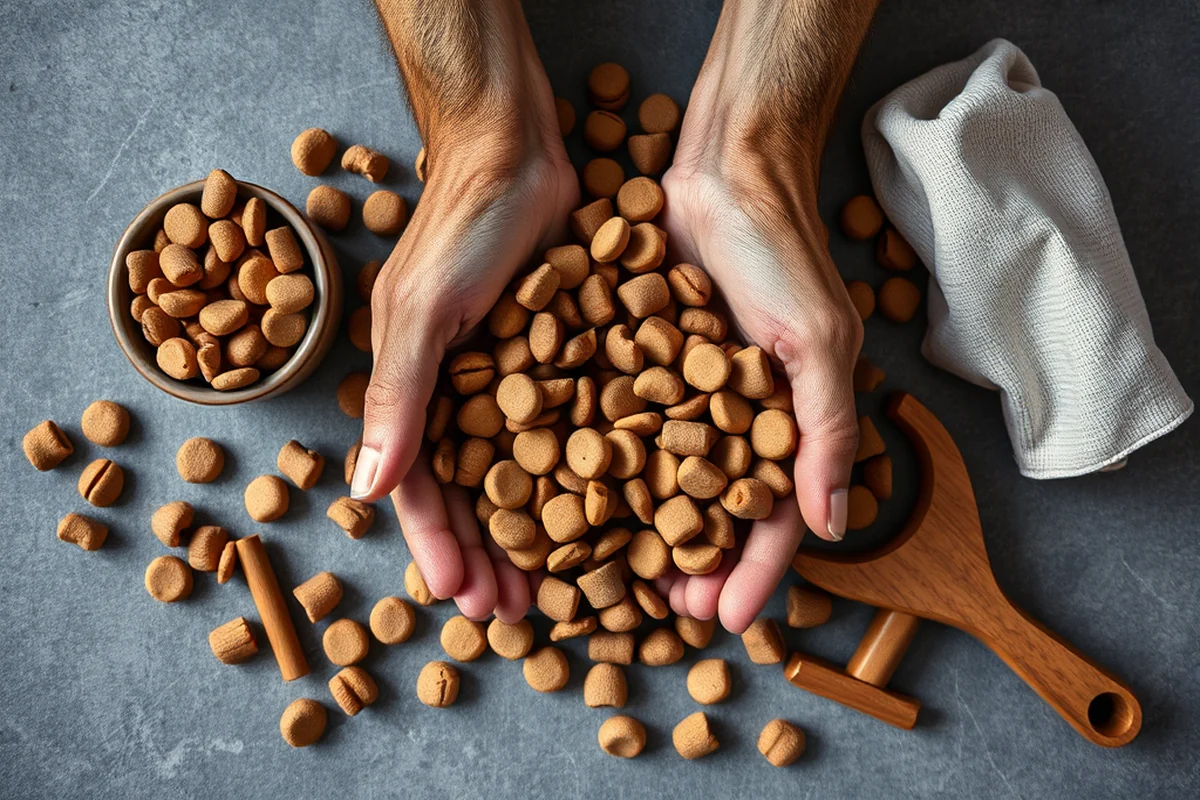
Dry kibble dog food is a dehydrated, crunchy form of complete nutrition for dogs, made through a process that removes most of the moisture and turns the food into bite-sized pieces. It’s not just about convenience; it’s a carefully formulated product designed to support your dog’s daily needs, whether they’re lounging on the couch or sprinting through the park. But it’s also not a one-size-fits-all solution, and knowing how to choose the right one can make all the difference.
Over the years, I’ve experimented with different types of dry kibble, and I’ve learned that the right choice depends on your dog’s age, activity level, and even their preferences. Some dogs love the crunch, others prefer the softness of wet food. But for those who thrive on consistency and convenience, dry kibble is a game-changer. It’s not just food—it’s a lifestyle choice for many pet owners.
Why You'll Love This Guide to Dry Kibble Dog Food
- Easy to store and serve for daily feeding
- Helps promote dental health through chewing
- Can be a cost-effective long-term feeding solution
- Available in a variety of formulas for different life stages and health needs
What Exactly Is Dry Kibble?
As of November 2026, Dry kibble is made through a process called extrusion, where ingredients like meat, grains, and vitamins are mixed, heated, and forced through a machine to form small, uniform pieces. These pieces are then dried to remove most of the moisture, resulting in a lightweight, shelf-stable product. This process helps preserve the nutrients and makes the food easier to store and transport.
The crunchiness of kibble is not just for texture—it’s designed to help dogs chew, which can contribute to better dental health. The size and shape of the kibble are also considered to ensure that your dog can eat it comfortably, whether they’re a small terrier or a large German Shepherd.
For many pet owners, the convenience of kibble is unmatched. It doesn’t require refrigeration, and you can measure the amount precisely, which helps in maintaining a consistent feeding schedule. Just open the bag, pour into a bowl, and your dog is ready to eat.
Make sure the kibble size is appropriate for your dog’s size. Small dogs need smaller pieces to avoid choking, while larger dogs may prefer larger pieces for better chewing and satisfaction.
Part of our Senior dog nutrition guide.
Why Dry Kibble Is a Popular Choice

One of the main reasons pet owners choose dry kibble is its convenience. Unlike wet food, it doesn’t need to be refrigerated, and it can be stored for long periods without spoiling. This makes it ideal for households that may not have time to prepare meals or refrigerate food regularly.
Another advantage is its affordability. Compared to wet food, dry kibble is often more cost-effective, especially when you consider the long-term feeding of a dog. It’s also a great option for multi-pet homes, where multiple bowls can be filled at once with minimal effort.
Kibble is also a great way to incorporate dental care into your dog’s routine. The act of chewing helps reduce plaque buildup and can contribute to overall oral health. This makes it a practical choice for dogs that need dental support without additional interventions.
Kibble isn’t just food—it’s a lifestyle choice.
Related: Minimalist senior dog nutrition tips
The Nutritional Profile of Dry Kibble
While I don’t talk about the exact ingredients, I can tell you that dry kibble is formulated to provide all the essential nutrients your dog needs in one meal. These include proteins, fats, vitamins, and minerals, all of which are carefully balanced to support your dog’s health and vitality.
The composition of kibble can vary depending on the brand and the specific needs of the dog. For example, some kibble is formulated for puppies, others for senior dogs, and some are designed to support dogs with specific health conditions like joint health or digestion.
I’ve noticed that dogs fed on high-quality kibble tend to have better coats, more energy, and fewer digestive issues. It’s all about finding the right balance of nutrients that works for your dog’s individual needs.
Always check the label to ensure the kibble meets your dog’s specific needs. Look for the AAFCO statement, which guarantees that the food is nutritionally complete and balanced.
“I remember the first time I looked at a bag of dry kibble dog food and felt confused.”— Bowlforgrey editors
Related: Nutrience senior dog food for families
How to Transition Your Dog to Dry Kibble
When switching your dog to a new type of food, especially from wet to dry, it’s important to do it slowly. A sudden change in diet can cause gastrointestinal issues like diarrhea or vomiting. I recommend starting with a 50-50 mix of the old food and the new kibble for the first few days.[2]
Over the course of a week, gradually increase the proportion of kibble in the mix until your dog is eating only dry food. This allows their digestive system to adjust to the new texture and ingredients. It’s also a good idea to monitor your dog closely for any signs of discomfort.
If your dog has a history of digestive issues, it may be safer to consult with a veterinarian before making the switch. They can provide guidance on the best way to transition your dog to a new diet without causing unnecessary stress.
Related: Easy senior dog nutrition tips
Common Myths About Dry Kibble
One common myth is that dry kibble is bad for your dog’s teeth. While it’s not a substitute for dental cleanings, the act of chewing kibble can help reduce plaque buildup and promote better oral health. However, it’s not a complete solution and should be combined with regular dental care.
Another myth is that kibble is always low in moisture. In reality, some kibble contains higher moisture content than others, and it’s not the only source of hydration for your dog. Fresh water should always be available to ensure your dog stays hydrated.
Some people believe that kibble is a poor source of nutrition, but that’s not true. High-quality kibble is formulated to meet the nutritional needs of dogs, and many brands offer formulas tailored to specific life stages, health conditions, and dietary preferences.
Related: Beginner healthy weight senior dog food
The Benefits of Feeding Dry Kibble
One of the biggest benefits of dry kibble is its convenience. It’s easy to store, doesn’t require refrigeration, and can be measured precisely for each feeding. This makes it a great option for busy pet owners who want to ensure their dog gets the right amount of food without the hassle of preparing meals.
Another benefit is its affordability. Compared to wet food, dry kibble is often more cost-effective, especially when feeding multiple dogs. It also has a longer shelf life, which means you don’t have to worry about it spoiling before it’s used.
The crunchiness of kibble can also help promote dental health by encouraging your dog to chew, which can reduce plaque buildup and improve oral hygiene. This makes it a great choice for dogs that need additional dental care.
Kibble is not just a quick fix—it’s a long-term solution.
Related: Farmina dog food
When to Choose Dry Kibble Over Other Foods
Dry kibble is ideal for dogs that live in homes with multiple pets. It’s easy to measure and serve, and it doesn’t require refrigeration, making it a practical choice for households that may not have the space or time to prepare and store wet food.
It’s also a good option for dogs that are used to a routine. Because kibble has a consistent texture and flavor, it can help maintain a sense of normalcy in your dog’s daily feeding schedule. This is especially helpful for dogs that may be stressed or anxious.
For dogs that need a long-term feeding solution, dry kibble offers a reliable and consistent source of nutrition. It’s also a great choice for dogs that are active or need to maintain a certain weight, as it’s easier to control the amount they eat.
🦠 Senior Pet
Dry kibble formulated for senior dogs may include joint support and lower calorie content.
🐶 Small Breed
Small breed kibble is smaller in size and often contains more protein to meet their unique needs.
🐾 Multi-Pet Home
Kibble is perfect for households with multiple dogs, offering convenience and consistency.
💰 Budget
There are high-quality, affordable kibble options that are perfect for budget-conscious pet owners.
✈️ Travel
Kibble is lightweight and easy to carry, making it ideal for travel with your dog.
| The mistake | Why it happens | The fix |
|---|---|---|
| Feeding your dog the same kibble for years without changes | Dogs’ nutritional needs change over time, and the same kibble may not be suitable for their entire life. | Switch to a kibble formula that’s appropriate for your dog’s life stage and health needs. |
| Ignoring the size of the kibble | Kibble that’s too large for a small dog can cause choking or digestive issues. | Choose a kibble size that’s appropriate for your dog’s size and chewing ability. |
| Not monitoring your dog’s weight | Overfeeding or underfeeding can lead to health issues, and dry kibble can be easy to overfeed. | Use the feeding guidelines on the bag as a starting point and adjust based on your dog’s weight and activity level. |
| Storing kibble in the wrong place | Moisture and heat can cause kibble to spoil or lose its nutritional value. | Store kibble in a cool, dry place, and keep the bag sealed when not in use. |
What Is Dry Kibble Dog Food
Common Questions
Can dry kibble be the only food for my dog?
Is dry kibble better for my dog’s teeth?
How long does dry kibble last once opened?
Can I mix dry kibble with wet food?
References
- Shelter Life (animalshelter.cuyahogacounty.gov)
- Raw Pet Food Diets can be Dangerous to You and Your Pet - FDA (fda.gov)
Cite this guide
Bowlforgrey (2026). What Is Dry Kibble Dog Food. https://bowlforgrey.com/what-is-dry-kibble-dog-food/
Feel free to cite or share this guide.
Senior Dog Calorie and Water Calculator
Calculates daily calories, food cups and water for senior dogs.
Open it free →